Thalictrum flavum glaucum
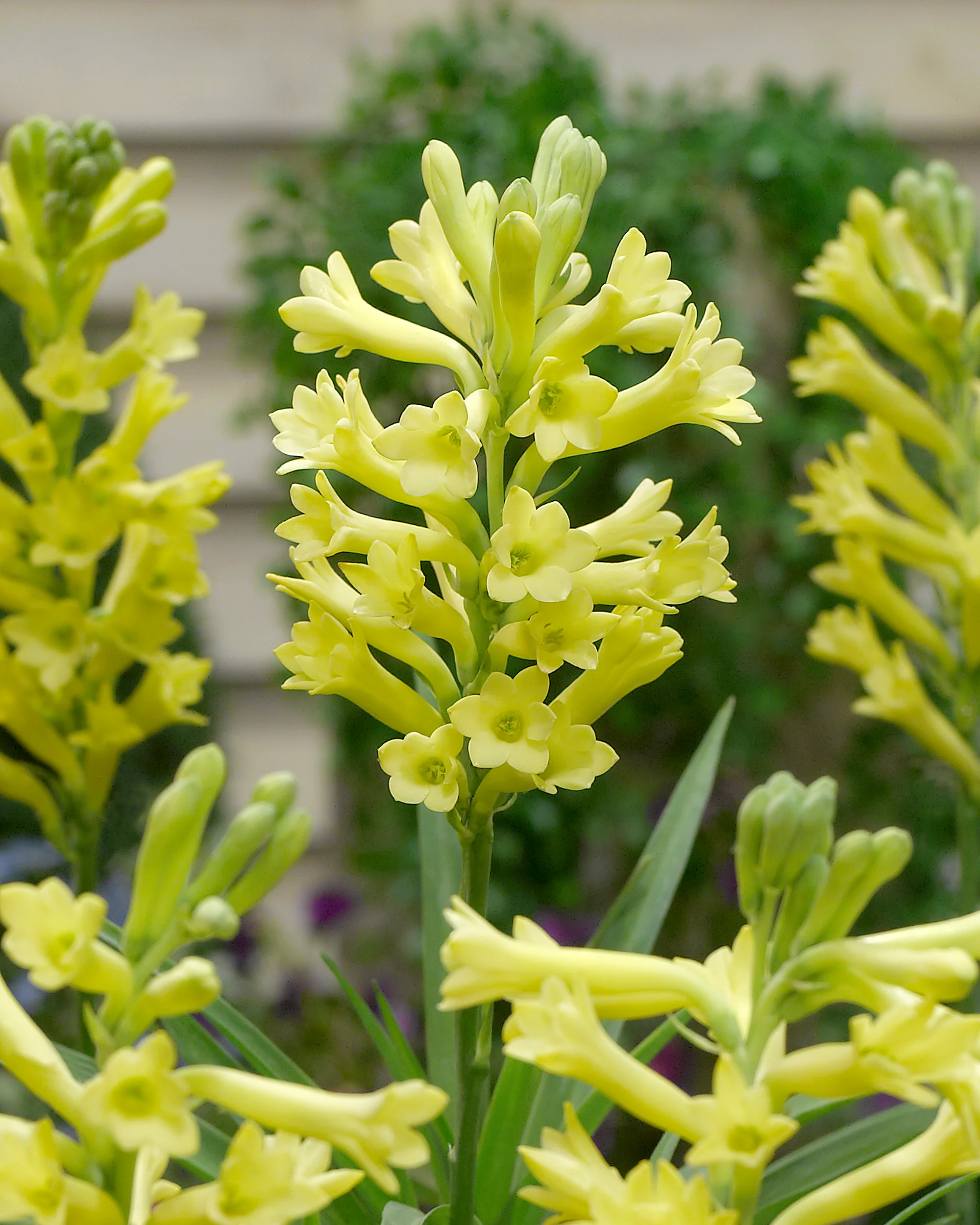
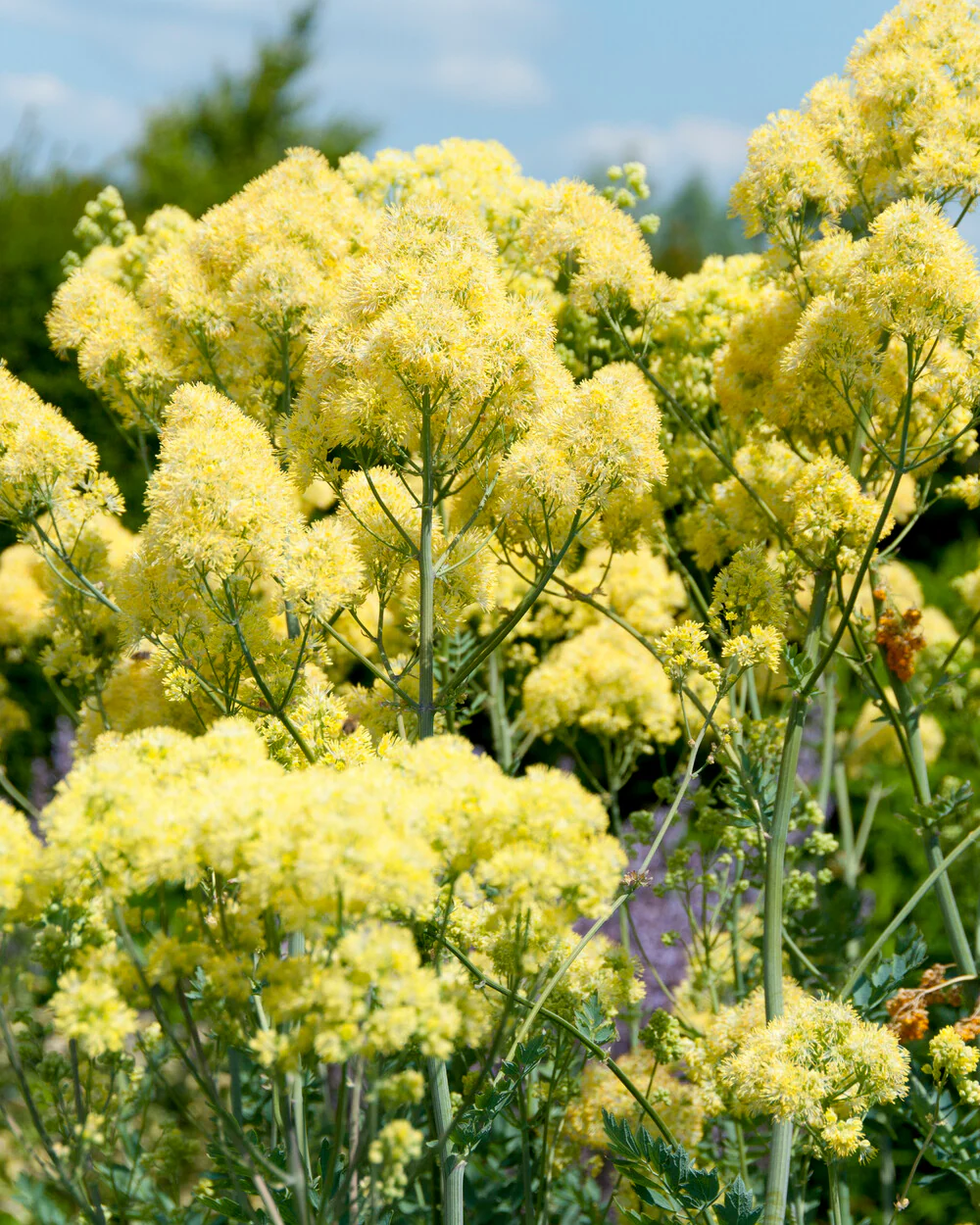
Thalictrum flavum subsp. glaucum is a real winner in a mixed border. A strong and stately plant, it grows a mound of handsome powdery blue-green leaves which, in early and mid-summer, are accompanied by stiff, upright, branched stems, topped with fluffy, soft yellow flowers. A tall plant—at around 180cm—Thalictrum flavum subsp. glaucum is ideal for the midway point or even back of a border. And even better, it does not require staking!
Its common name—glaucous-leaved yellow meadow-rue—is almost as much of a mouthful as its Latin name! But please don’t let either name put you off growing this beautiful plant. A humus-rich soil, in either full sun or part-shade, will ensure that it flourishes. Sheltered conditions are best, rather than a place fully exposed to the wind. Thalictrum flavum subsp. glaucum has an architectural quality that will really lift your beds and borders, and it looks particularly good with larger grasses, such as Miscanthus, and underplanted with lady's mantle (Alchemilla mollis).
Original: $7.23
-70%$7.23
$2.17Product Information
Product Information
Shipping & Returns
Shipping & Returns
Description
Thalictrum flavum subsp. glaucum is a real winner in a mixed border. A strong and stately plant, it grows a mound of handsome powdery blue-green leaves which, in early and mid-summer, are accompanied by stiff, upright, branched stems, topped with fluffy, soft yellow flowers. A tall plant—at around 180cm—Thalictrum flavum subsp. glaucum is ideal for the midway point or even back of a border. And even better, it does not require staking!
Its common name—glaucous-leaved yellow meadow-rue—is almost as much of a mouthful as its Latin name! But please don’t let either name put you off growing this beautiful plant. A humus-rich soil, in either full sun or part-shade, will ensure that it flourishes. Sheltered conditions are best, rather than a place fully exposed to the wind. Thalictrum flavum subsp. glaucum has an architectural quality that will really lift your beds and borders, and it looks particularly good with larger grasses, such as Miscanthus, and underplanted with lady's mantle (Alchemilla mollis).