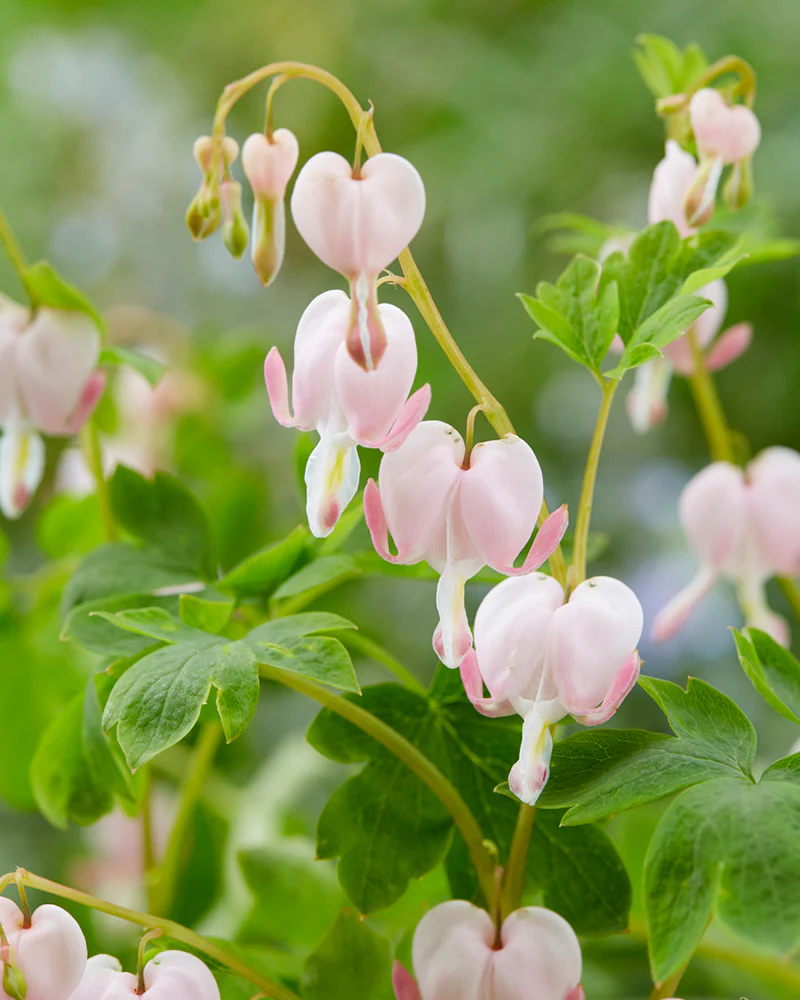
Dicentra 'Cupid'
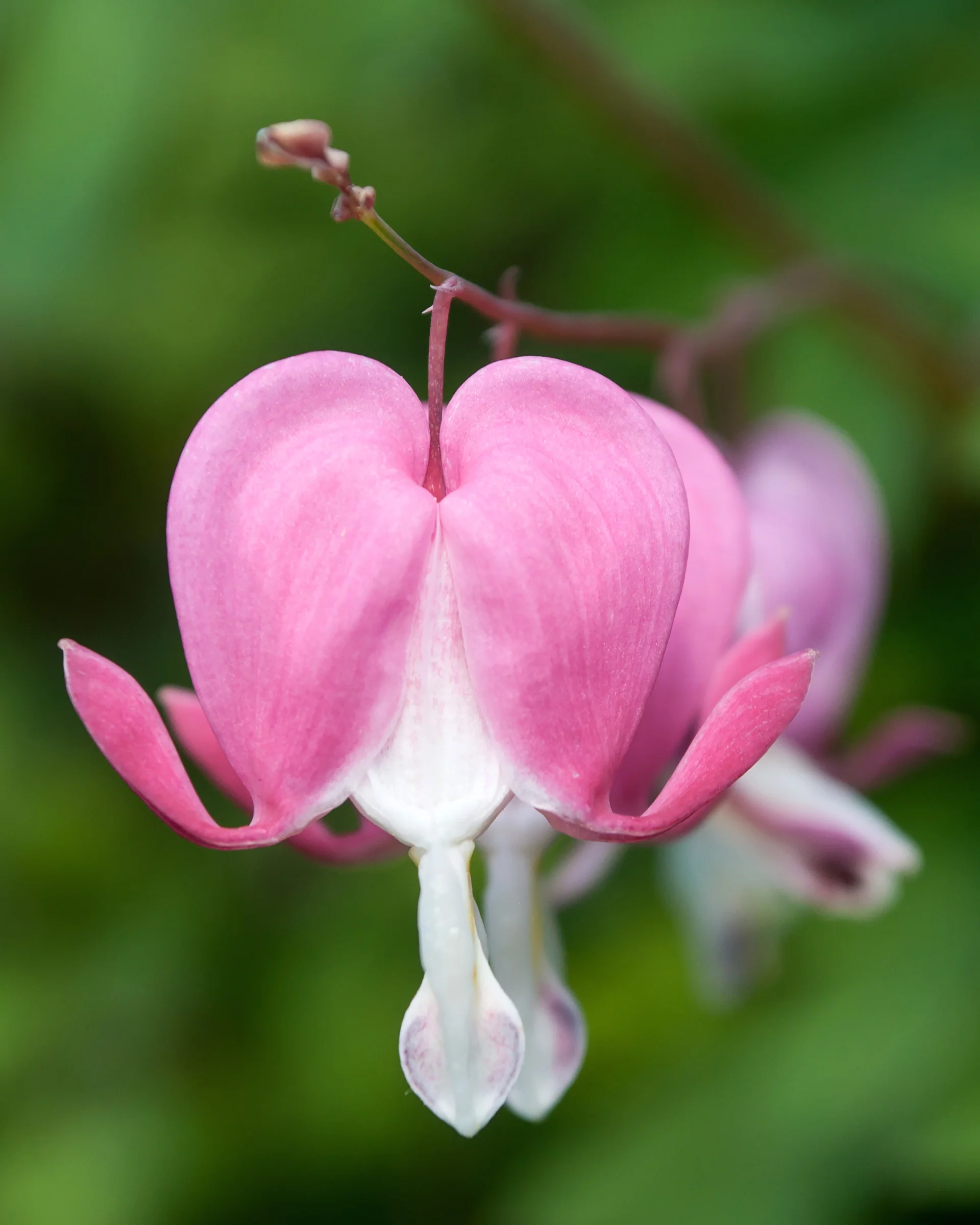
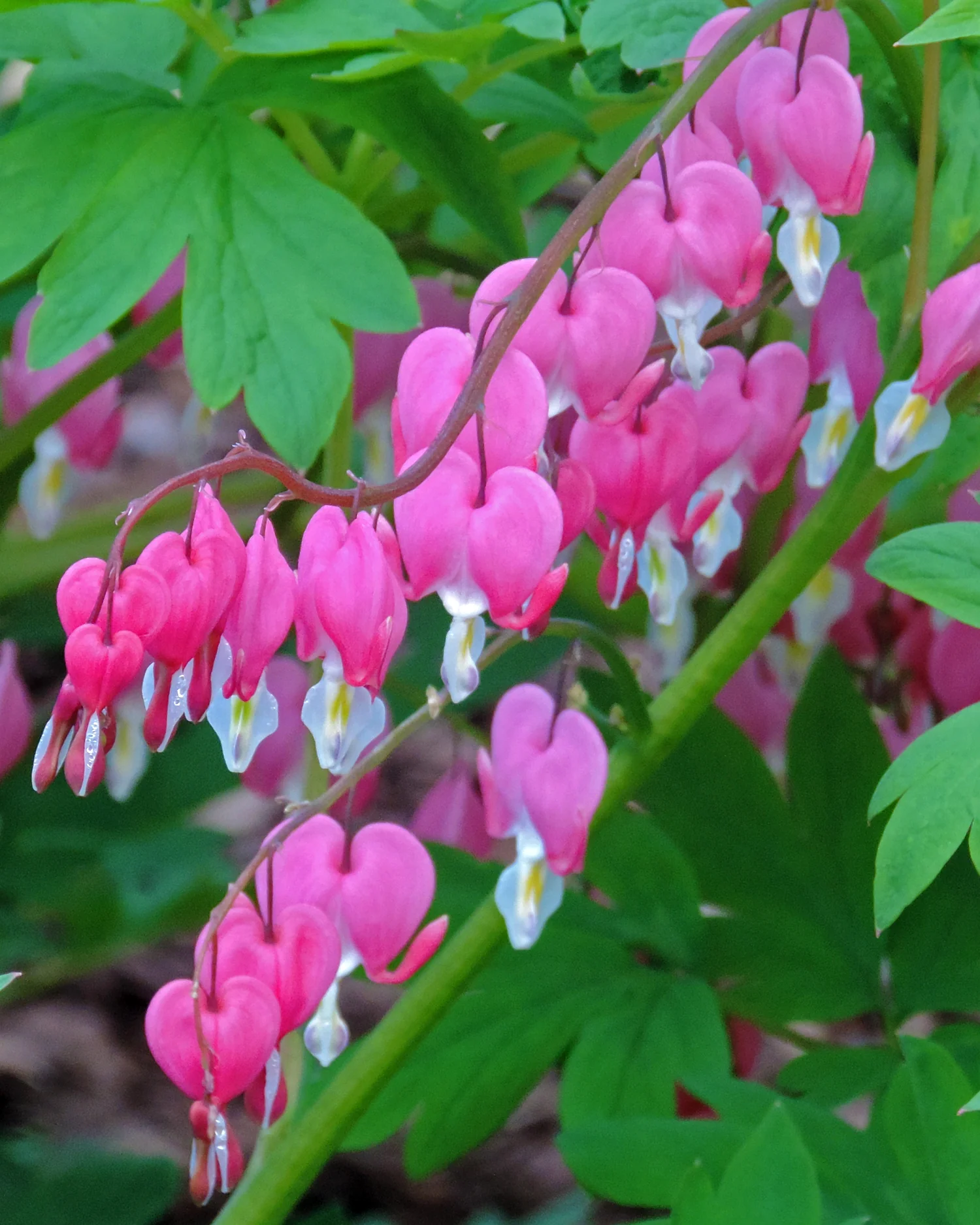
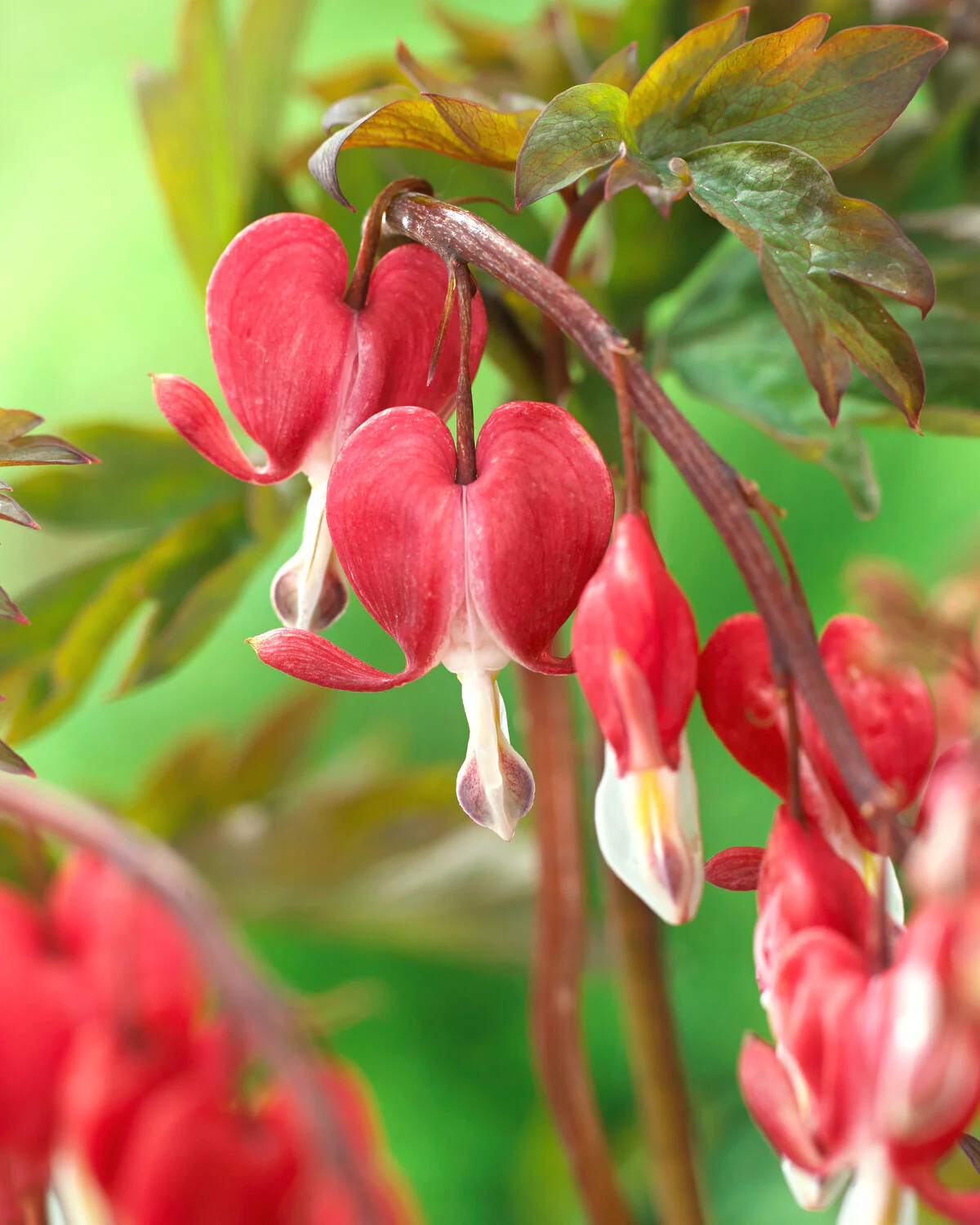
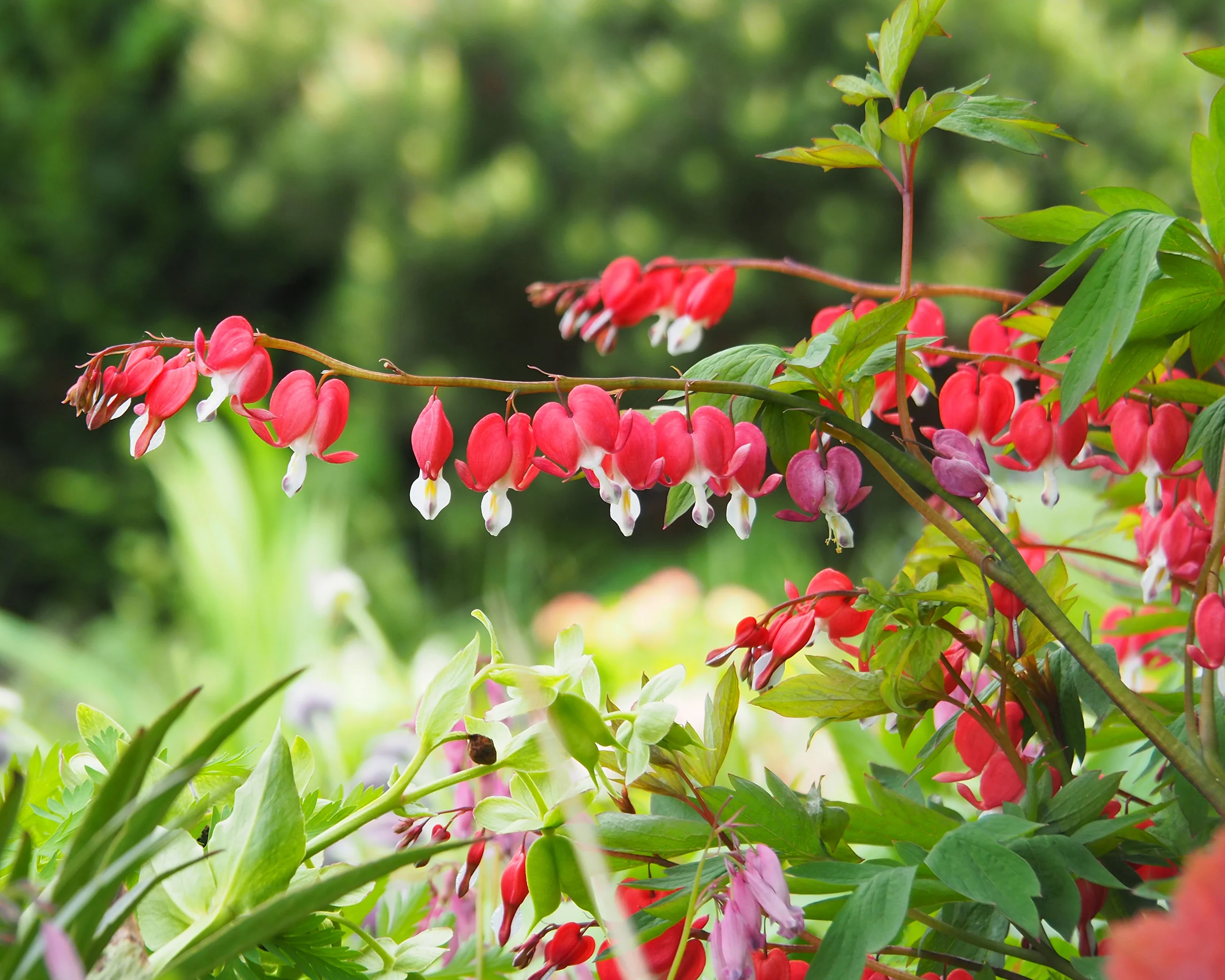
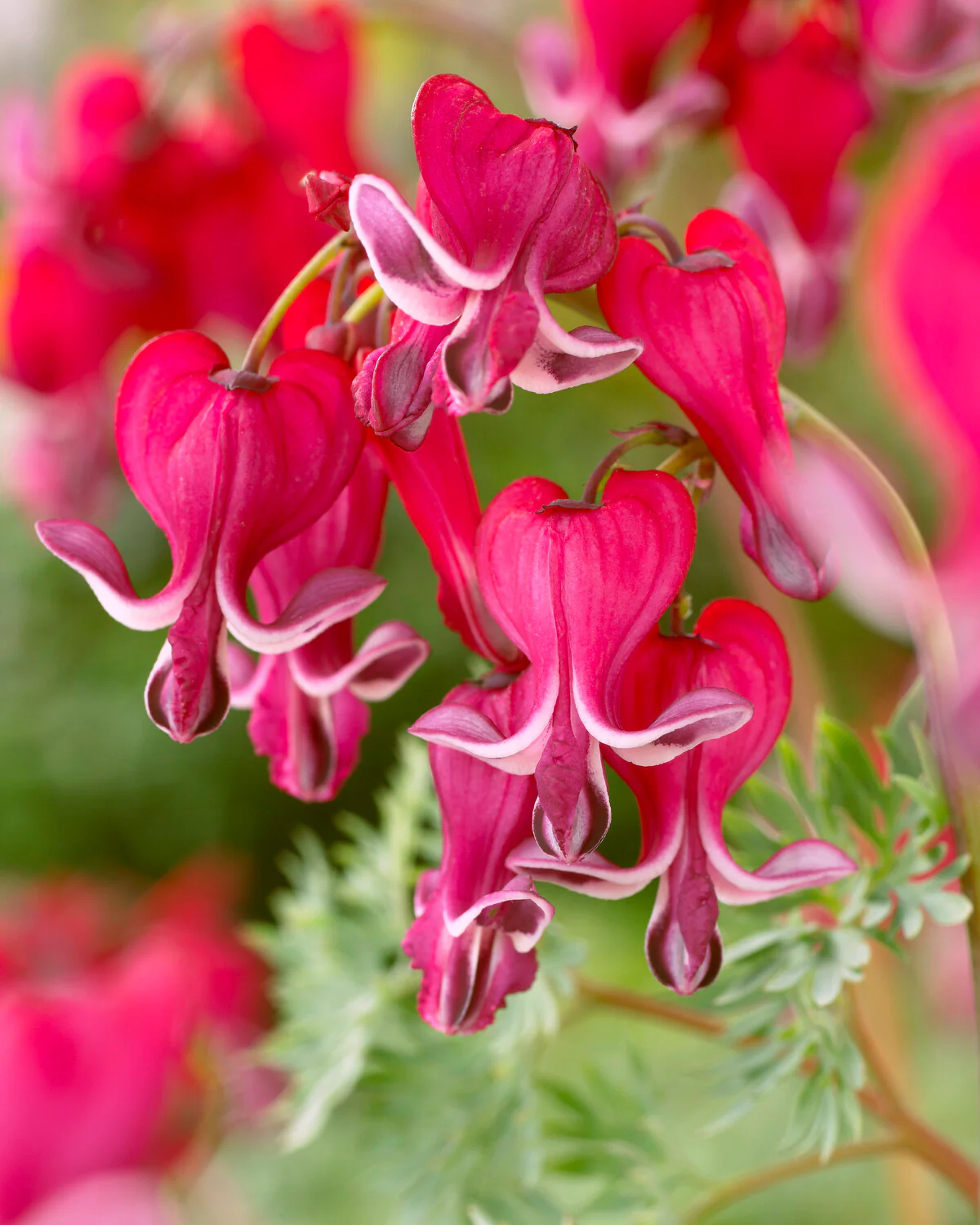
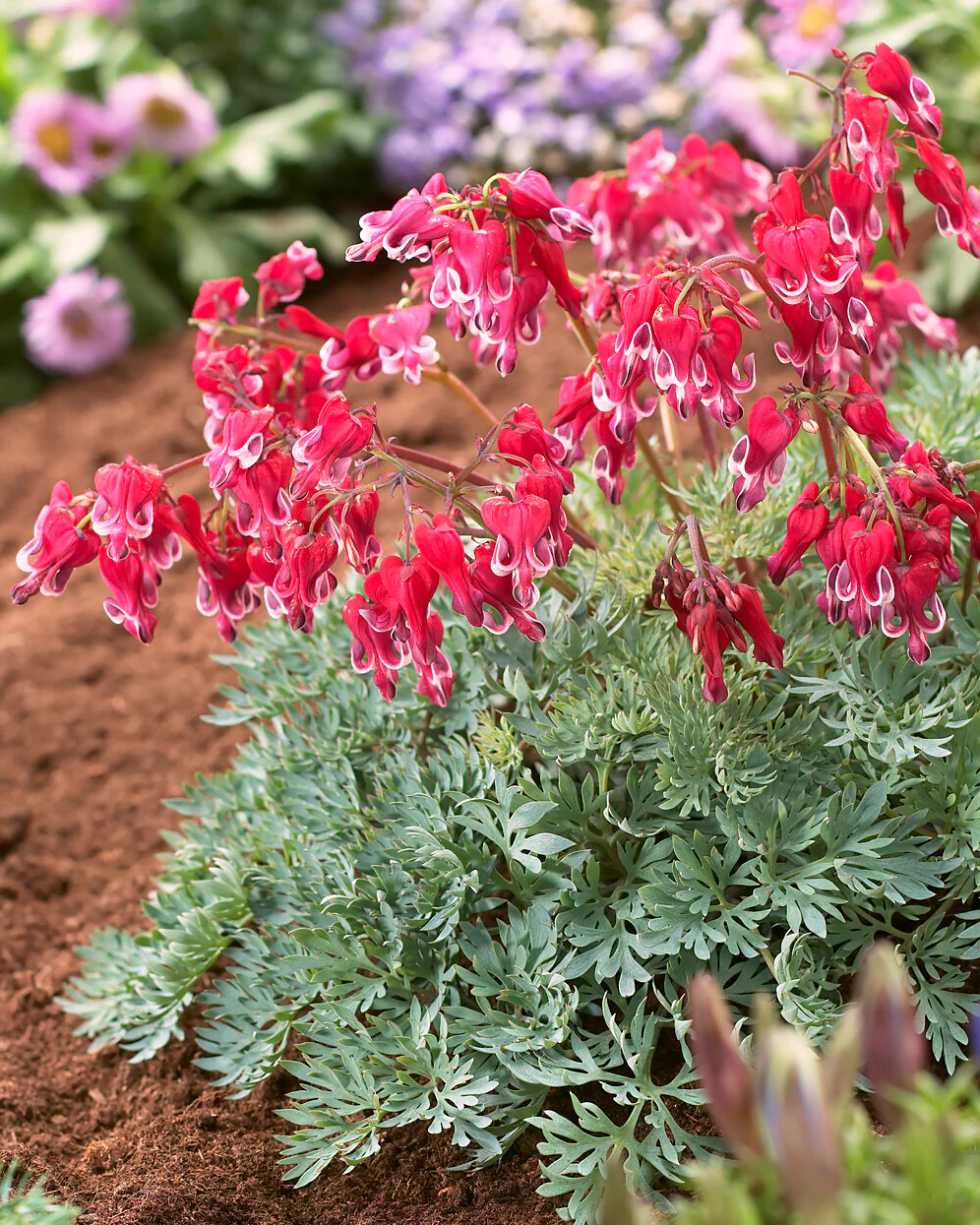
You'll be sure to fall in love with Dicentra 'Cupid'—featuring plump and pillowy heart-shaped flowers in the dreamiest pale pink, nodding on arching stems, this little cherub is worthy of a place in any gardener's heart. More compact in height than other Dicentra varieties, the deeply divided, feathery foliage will create a neat little mound that will look cute in containers—or equally adorable at the front of your borders and beds.
Like all Dicentras, 'Cupid' favours a lightly shaded spot, or dappled sunshine. Pop it in the right spot, with a reasonably rich, and moist but well-drained soil—and this herbaceous perennial will return year upon year for a luscious late-spring display. The delicate beauty of Dicentra 'Cupid's flowers will bring the perfect finishing touch to late-spring bouquets, so if you grow cut flowers then you’ll definitely want to find space in your flower patch for this little looker, too.
You can read more about Dicentra spectabilis 'Cupid' on the blog of the Royal Horticultural Society (RHS), written by Graham Rice.
Gracy knows:
"Dicentra spectabilis has recently changed its official botanical name to Lamprocapnos spectabilis."
Product Information
Product Information
Shipping & Returns
Shipping & Returns
Description
You'll be sure to fall in love with Dicentra 'Cupid'—featuring plump and pillowy heart-shaped flowers in the dreamiest pale pink, nodding on arching stems, this little cherub is worthy of a place in any gardener's heart. More compact in height than other Dicentra varieties, the deeply divided, feathery foliage will create a neat little mound that will look cute in containers—or equally adorable at the front of your borders and beds.
Like all Dicentras, 'Cupid' favours a lightly shaded spot, or dappled sunshine. Pop it in the right spot, with a reasonably rich, and moist but well-drained soil—and this herbaceous perennial will return year upon year for a luscious late-spring display. The delicate beauty of Dicentra 'Cupid's flowers will bring the perfect finishing touch to late-spring bouquets, so if you grow cut flowers then you’ll definitely want to find space in your flower patch for this little looker, too.
You can read more about Dicentra spectabilis 'Cupid' on the blog of the Royal Horticultural Society (RHS), written by Graham Rice.
Gracy knows:
"Dicentra spectabilis has recently changed its official botanical name to Lamprocapnos spectabilis."